
From Data to Design: Building Incentive Programs That Deliver Results
For organizations investing in incentive travel, the challenge is ensuring these programs are designed to deliver meaningful results. As expectations rise and budgets face increased scrutiny, the difference between a program that performs and one that falls flat often comes down to how intentionally it is built.

The Incentive Research Foundation (IRF), a leading authority on incentive travel and motivation research, continues to shape how the industry understands performance, engagement, and program impact.
As a proud supporter of IRF and its research initiatives, ETHOS Event Collective works to translate these insights into real-world program design, bridging the gap between data and execution.
The New Reality of Incentive Travel
Corporate meetings and events today are being asked to deliver more while navigating rising costs and increased scrutiny around spend.
According to the Incentive Research Foundation’s 2026 Trends Report: IRF 2026 Trends Report - Incentive Research Foundation
Organizations are facing increased budget pressure despite rising meeting and events costs
There is a growing emphasis on demonstrating measurable ROI from incentive programs
Industry-wide, this shift is changing how incentive travel is evaluated. What was once considered a reward is now expected to function as a strategic investment tied to performance, engagement, and retention.

“Incentives professionals are navigating significant complexity while simultaneously uncovering new opportunities for innovation, strengthened partnerships, and more meaningful ways to motivate people in 2026,” said Stephanie Harris, President, IRF. IRF Releases 2026 Trends Report Highlighting Budget Pressure, AI and Geopolitics - Incentive Research Foundation
What this means in practice: Corporate meetings and incentives need to be designed with a clear intention from the outset. Each element should support participation, reinforce objectives, and contribute to outcomes that can be clearly measured and communicated.
For planners, this means defining success metrics early so decisions around format, flow, and content are aligned with measurable goals. This should happen before the agenda is finalized, allowing key partners to contribute strategically.
Engaging DMC, hotel, and production partners at this stage ensures the program is shaped collaboratively rather than transactionally, leading to stronger alignment and a more cohesive experience.
What Drives Impact Now
At the same time, what defines a successful program is evolving.
The 2026 Trends Report points to a shift away from volume-based programming toward more curated, intentional experiences. Attendees are looking for moments that feel thoughtful, immersive, and connected to the destination, rather than a schedule packed with activity.
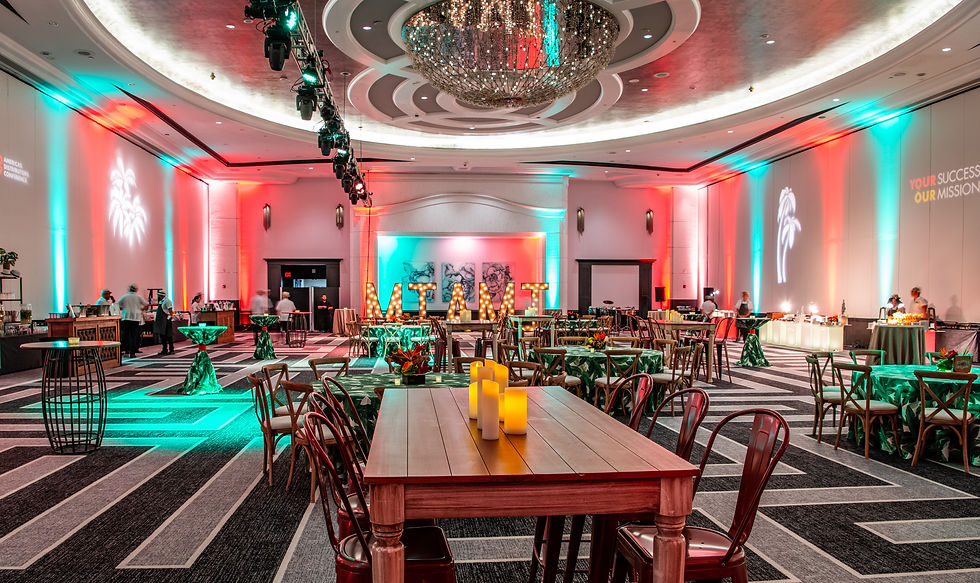
There is still a tendency across the industry to equate “more” with “better,” and often with increased budget. That is not always the case. When more time is spent on development, adding elements can introduce noise instead of value, making it harder for any singular moment to stand out or resonate.
Programs that are more selective in what they include tend to feel more cohesive and leave a clearer impression on attendees.
What this means in practice: Impact is created by designing fewer, more meaningful moments, each with a defined purpose.
For planners, this can look like reducing agenda density, involving key partners early in the process to help shape solutions, prioritizing interactive formats over passive ones, and ensuring each experience has a clear role within the overall program.
From Data to Design: What This Looks Like in Practice
The gap between research and execution becomes most visible when translating insight into real program decisions.
IRF Insight: Increased emphasis on measurable ROI

As organizations place greater focus on performance outcomes, participation becomes a critical design consideration. Large-format experiences can create scale, but they do not always create interaction or impact.
In one program, shifting from a single large-format experience to multiple smaller, interactive stations led to a noticeable increase in both participation and time spent within each activation. Engagement became more evenly distributed, and the overall environment felt more active and responsive.
What this means for planners: Experience format directly influences engagement. Structuring programs to encourage movement, choice, and participation often leads to stronger, more measurable outcomes and a greater return on spend.
IRF Insight: Rising expectations for immersive, differentiated experiences
As attendee expectations evolve, destination plays a more active role in shaping the program. Rather than serving as a backdrop, it becomes a reference point for how the experience is designed.

Incorporating local partners, materials, and environmental context allows a program to feel specific to place rather than interchangeable. Designing within a natural setting, for example, required aligning layout, materials, and flow with the environment itself, resulting in a more cohesive and grounded experience.
What this means for planners: Authenticity is created through integration. Programs that reflect their environment in a meaningful way tend to resonate more strongly than those built around standardized formats.
IRF Insight: Budget pressure and increased cost sensitivity
As costs rise, there is increased pressure to demonstrate value within tighter constraints.
Expanding the number of program elements can appear to increase value, but it often has the opposite effect. Programs that concentrate resources into a smaller number of well-developed moments tend to create stronger and more memorable experiences.
What this means for planners: Perceived value is driven by depth, not volume. Prioritizing fewer, more intentional experiences often delivers greater impact than attempting to maximize activity.
IRF Insight: Greater complexity in program execution

With larger groups, diverse audiences, and evolving expectations, execution plays a significant role in overall program success.
In a high-volume transportation program, adjusting queue structure and using tables instead of rope allowed thousands of attendees, including families, to move efficiently while maintaining clarity and flow and comfort.
What this means for planners: Operational decisions directly shape the guest experience. Elements like transportation, flow, and timing should be treated as part of the experience design rather than separate logistical considerations.
The Role of a Destination Management Partner
Translating insight into execution requires both strategy and on-the-ground expertise.

A great destination management partner helps ensure that experience design and logistics are aligned from the start, allowing programs to function as intended in real-time. This also means they are willing to tell you when something is not a good idea. When this alignment is in place, programs feel cohesive, and each element contributes to the overall outcome rather than competing for attention.
The difference between a strong program and a forgettable one often comes down to how clearly each decision supports the overall objective and who and when you include them to be a part of the solution.
As expectations continue to rise, not only from the C-level but from the attendees, the programs that perform will be the ones designed with that level of clarity, attention to detail, and collaboration from the start.


Comments