
What High-Performing Corporate Events Have in Common
When the final keynote wraps up and the last attendee heads to the airport, most event planners breathe a sigh of relief. The registration desk ran smoothly. The ballroom looked exactly as envisioned. The keynote speaker received glowing reviews, the technology cooperated, and every contingency plan stayed tucked away in the binder.

Those are all signs of a well-executed meeting. They are also the minimum expectation.
The corporate events that organizations remember, and continue to reference months after they've ended, accomplish something much larger.
They strengthen relationships, accelerate strategic initiatives, reinforce company culture, improve collaboration, and leave attendees thinking differently than they did when they arrived. In other words, they create measurable business impact.
One of the hardest parts of planning a corporate event is that almost every idea sounds like a good one. For many planners, the biggest challenge isn't finding the perfect venue or coordinating logistics. It's balancing dozens of competing priorities from stakeholders who each have different expectations for the event. Leadership wants strategic outcomes, marketing wants brand visibility, HR wants employee engagement, sales want motivation, and attendees simply want an experience worth traveling for. With so many competing priorities, how can you be confident the event you're planning will deliver the results your organization expects?
While every organization has different goals, the highest-performing corporate events consistently share several characteristics.
The ETHOS Approach

At ETHOS Event Collective, we believe exceptional logistics are only where our work as a destination management company begins. The real opportunity lies in designing experiences that help organizations achieve meaningful business outcomes.
Our Purposeful Planning™ approach starts by understanding what success looks like before recommending a destination, building an agenda, or selecting an activity. From CSR initiatives and team-building experiences to venue selection and program design, every recommendation is intentionally aligned with the client's objectives.
1. High-Performing Corporate Events Begin With Clear Business Objectives
One of the biggest planning mistakes happens long before a venue is selected or an agenda is drafted. Too often, planning conversations begin with logistics. Teams discuss destinations, entertainment, breakout sessions, and room layouts before defining why they're gathering in the first place.
Successful corporate event planning starts by identifying the outcome the organization hopes to achieve. Once that objective is defined, every planning decision becomes easier because each element can be evaluated against a single question: Does this help us accomplish our goal?

A simple test is this: if you can't explain your event's objective in one sentence, your attendees probably won't be able to either.
2. Every Experience Reinforces the Core Message
Attendees rarely remember every slide from a presentation or every statistic shared from the stage. What they remember is the overall experience and the themes that surfaced throughout the event.
That's why successful corporate events reinforce the same message at every opportunity. If collaboration is the primary objective, attendees shouldn't only hear about teamwork during the opening keynote. They should experience it through networking activities, interactive workshops, team challenges, and facilitated discussions. Likewise, if innovation is the focus, the speakers, meeting spaces, off-site experiences, and even the destination should reinforce a culture of creativity.
A useful way to evaluate your program is to ask one simple question before planning begins: What should attendees do differently on Monday morning because they attended this event? If that answer isn't clear, you're programming probably isn't either.
3. Successful Corporate Event Networking Is Intentionally Designed
Almost every conference agenda includes time for networking. Far fewer are intentionally designed to help the right conversations happen.

A reception with cocktails and background music creates opportunities to socialize, but it doesn't guarantee that attendees will connect with people outside their existing circles. More often than not, colleagues stay with colleagues, leadership remains with leadership, and valuable opportunities for collaboration are missed.
High-performing corporate events take a more intentional approach. Curated seating arrangements, guided discussion prompts, collaborative team experiences, community service projects, and destination-based activities all help create meaningful interactions that continue long after attendees return to the office.
4. The Destination Supports the Business Strategy
Selecting a destination involves much more than comparing hotel availability or flight schedules. The environment itself influences how attendees interact, learn, and engage throughout the meeting.

A quiet coastal retreat encourages reflection and strategic thinking in ways that a busy convention district cannot. An innovation summit hosted in a city known for entrepreneurship reinforces themes of creativity and forward thinking.
A CSR experience connected to the local community allows attendees to experience company values rather than simply hearing about them during a presentation.
Ask yourself this: if you removed the destination from your event and held the exact same agenda somewhere else, would the experience change? If the answer is no, the destination is acting as a backdrop rather than a strategic asset.
5. They Protect Attendees' Time and Attention
One of the biggest misconceptions in corporate event planning is that more content creates more value. In reality, every keynote, breakout session, panel discussion, and activity competes for attendees' time and attention. As agendas become more crowded, the ability to absorb, reflect on, and apply information begins to decline.
High-performing corporate events are intentionally curated to recognize that meaningful conversations often happen in the walk between sessions, over lunch, or during an unscheduled moment where colleagues can process what they've just learned. Instead of asking, "What else can we add?" successful planners ask, "What deserves to be here?"
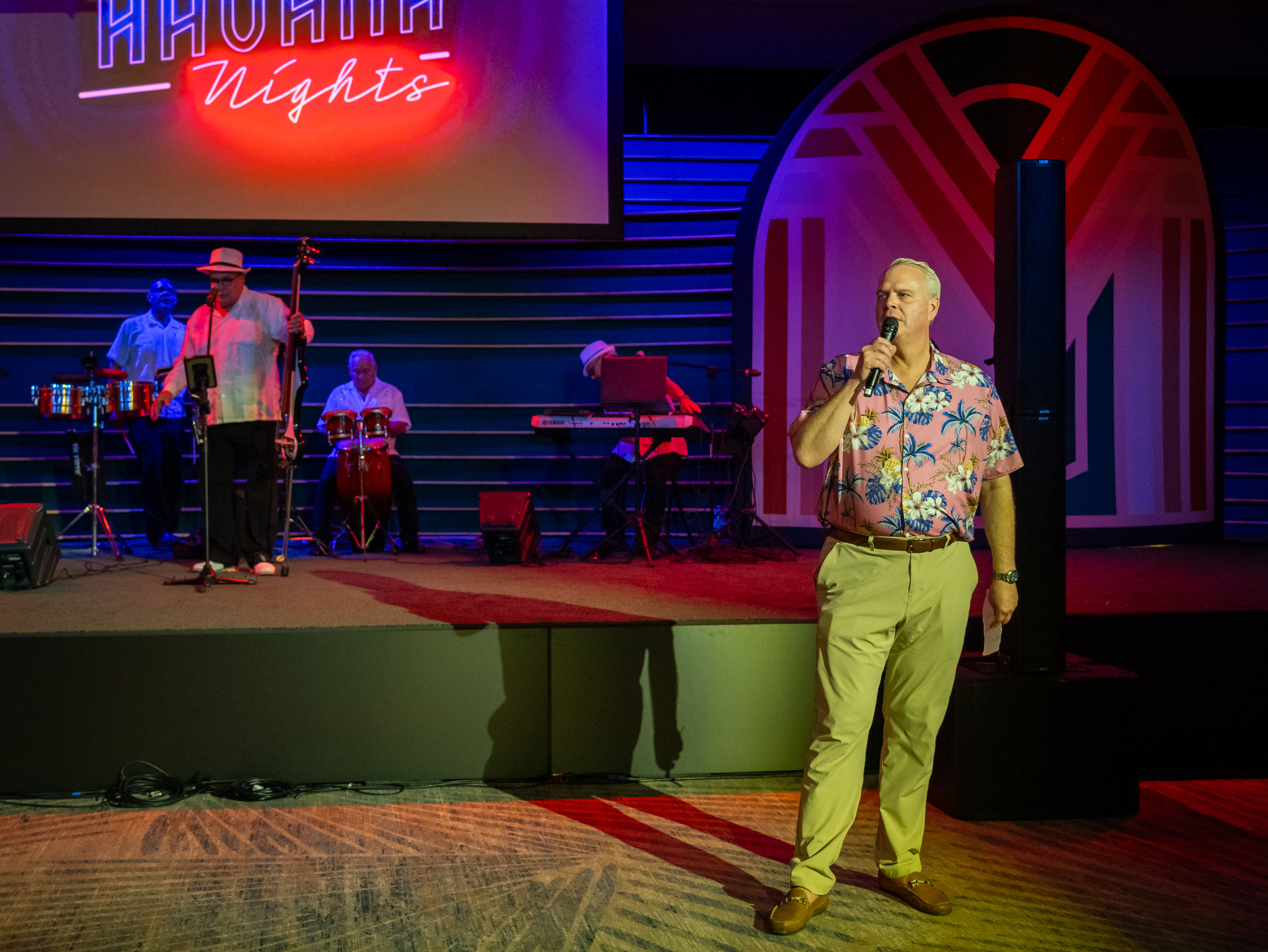
Protecting attendees' attention also means creating a balanced pace throughout the event. Interactive sessions are mixed with presentations, downtime is built in where it adds value, and transitions feel natural rather than rushed. When every minute of the agenda has a purpose, attendees stay engaged because they never feel overwhelmed.
6. The Experience Continues After Everyone Goes Home
The best corporate events don't end when attendees check out of the hotel. They include built-in opportunities for attendees to continue engaging with the event's purpose long after they return home.
That might mean asking attendees to leave with a 30-, 60-, or 90-day action plan, providing managers with discussion guides to continue conversations with their teams, or pairing colleagues as accountability partners. Some organizations schedule follow-up webinars or distribute digital resources that revisit key themes, while others create ongoing CSR initiatives that allow attendees to continue supporting the nonprofit they were introduced to during the event.

Even small details can extend an event's impact. A thoughtfully selected gift can become a daily reminder of the meeting's message. A journal or workbook can encourage attendees to put new ideas into practice.
A follow-up impact report from a CSR partner can show attendees how their contributions continued making a difference after they returned home.
The most successful meetings aren't designed as one-time experiences. They're designed to spark actions, conversations, and commitments that continue long after the closing session, ensuring the event creates lasting value rather than lasting memories alone.
Bringing It All Together
No two organizations share the same priorities, so no two corporate events should look exactly alike. A leadership retreat has different objectives than a sales kickoff, and an incentive trip serves a different purpose than an annual conference.
The most successful organizations don't view meetings as expenses. They view them as strategic business tools. Every event represents an investment of time, budget, and employee attention, making it one of the few opportunities to bring an entire organization together around a shared objective. When approached strategically, that investment can strengthen culture, accelerate change, improve alignment, and create momentum.
If you're evaluating destinations, building an agenda, or looking for ways to create greater impact, ETHOS Event Collective can help you design an experience that aligns every detail with your business goals.
Connect with our team to start planning your next high-performing corporate event.


Comments