
How to Create Corporate Events That Make People Feel Seen
There is a lot of conversation in the events industry about personalization. Technology has made it easier than ever to put an attendee's name on a welcome gift, recommend sessions based on their interests, collect preferences before arrival, and give guests activities to choose from once they reach a destination.
All of those things can make an event more personal, but we've been thinking about a slightly different question: Do they actually make someone feel seen?
Think about the last time you attended an event after a long day of travel. You probably didn't need your name printed on another item nearly as much as you appreciated knowing exactly where to go when you landed. If you have a dietary restriction, the memorable part of dinner may have been sitting down and realizing someone had already taken care of it, so you didn't have to explain yourself again.
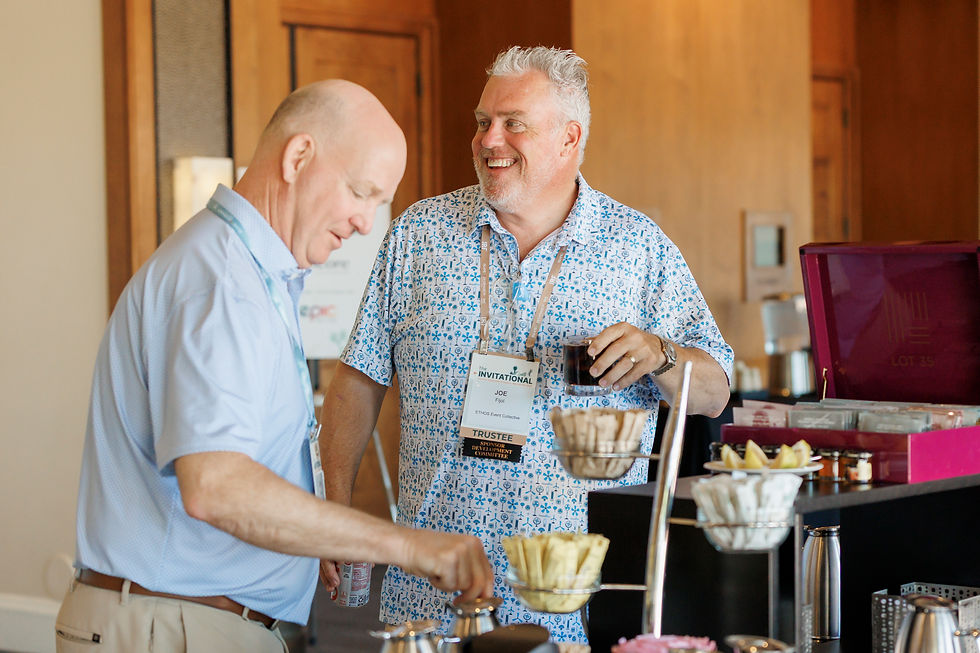
Those aren't necessarily the details that make it into the event photo gallery, but they're often the ones that determine how an experience actually feels.
Creating events that make people feel seen has less to do with personalizing everything and much more to do with understanding the people who will be there.
It Starts Long Before Anyone Arrives
Some of the most important decisions can only be made by asking the right questions.
There are the obvious questions. How many attendees? What are the dates? What's the budget? Where is everyone traveling from?
But then there are the questions that tell you something about the people themselves. Has this group traveled together before? Are there first-time attendees mixed with people who have qualified for the same incentive trip ten years in a row? Are spouses or guests coming? Does this team work together every day, or is this one of the few opportunities they have to spend time together in person? What did attendees love about last year's program? What did they skip?
Even understanding what attendees do all day can influence a program. A group that spends most of its working life behind a computer may welcome an opportunity to get outside and move. A group that's constantly traveling may feel very differently about an itinerary packed from morning until night.
This is one reason involving a destination management company early can make a difference. Before activities are selected and vendors are sourced, there is an opportunity to understand not only what needs to happen, but who the experience needs to work for.
Personalization Isn't Always Personal

Imagine two welcome gifts. The first is beautifully branded with the company's logo and personalized with the attendee's name.
The second isn't "personalized" in those ways, but it was chosen because the planning team knew many attendees were parents and wanted to give them something they could bring home and share with their children.
Which one feels more personal?
There isn't necessarily a right answer. Both could be wonderful gifts. But the example illustrates something worth considering.
Personalization can be produced. Feeling understood requires someone to pay attention.
A planning team that takes the time to understand its audience can start to recognize the moments where that knowledge could meaningfully change the experience.
Sometimes the Clues Are Already There
Getting to know an audience doesn't always require asking them more questions. By the time planning begins, there may already be quite a bit to work with.
Start with what happened last time. Which experiences filled up first? What did people skip? Did everyone disappear to their rooms the minute there was a break in the agenda, or did they use that time to explore together? If the same people have been qualifying for an incentive trip year after year, what have they already done?
Then there are the things you simply know about the group. Their ages, professions, where they're coming from, whether they're traveling with a guest, and what their lives look like outside of this particular event can all help paint a better picture of who will eventually be standing in the room.
This is also where looking outside the events industry can lead to some of the best ideas.

Imagine planning for a group that includes a lot of younger female professionals. Spend a little time in the places they're already consuming content and you might notice how popular personal color analysis has become. People are getting their colors done, figuring out whether they're a spring or an autumn, and using the results to build capsule wardrobes.
Suddenly, a complimentary mini color analysis at an event makes a lot of sense. It's something attendees may already be curious about but haven't gotten around to doing for themselves.
Another audience might lead you somewhere completely different. That's the point.
Sometimes making people feel seen is simply about paying enough attention to recognize what might delight them. There's something especially satisfying about walking into an event, spotting an experience you've been wanting to try, and realizing someone thought to bring it to you.
The Destination Should Feel Personal, Too
There is something exciting about experiencing a destination for the first time. The landmarks you've heard about, the food the city is known for, and even the more recognizable experiences can be exactly what a first-time visitor wants.

But what about the attendee who has been there five times?
Think about destinations like Orlando or Las Vegas. Both host an enormous number of meetings and incentive programs every year, which means there's a good chance at least some of the people in the group have visited before. They may have stayed at the resorts, eaten at the well-known restaurants, or already experienced the attractions that immediately come to mind.
That doesn't make the destination any less exciting. It just means the experience may need a different lens.
Someone who has visited Orlando several times with their family isn't necessarily experiencing the same Orlando they might encounter on an incentive trip. Someone who has attended five conferences in Las Vegas may still have never stepped inside the neighborhood restaurant, private venue, or local experience that becomes the highlight of this particular visit.
A familiar neighborhood can be experienced through a local chef or maker. A recognizable venue can become something entirely different with the right access. Optional programming can give people the freedom to explore based on what they've already seen.
This is where a DMC's local relationships become especially valuable. The job isn't simply knowing what's popular. It's knowing enough about the destination and the group to find the version of it that makes sense for the people who are coming.
Making someone feel seen is sometimes as simple as recognizing that their experience isn't starting in the same place as everyone else's.
Then the Attendees Actually Arrive
After months of planning, eventually the spreadsheets close and real people walk into the event.

That's when observation becomes just as important as the plan. Maybe the activity everyone expected to be popular isn't. Maybe attendees are having such a good conversation that moving them to the next scheduled item would make the experience worse. Maybe someone hasn't connected with anyone yet, or a guest looks confused but doesn't want to ask for help.
A run of show can't predict every one of those moments. Some of the best event decisions happen in real time because someone noticed what the group needed and had the flexibility to respond. That's another form of personalization that doesn't require anyone's name to be printed on anything.
It requires people who are paying attention.
Why This Matters Beyond Hospitality
It's easy to categorize all of this as the "nice" side of event planning.
But organizations aren't investing in meetings and incentive programs simply to give people a nice experience. There is usually something the experience is supposed to accomplish.
Shauna Whitehead, senior vice president of commercial strategy at BCD Meetings & Events, recently addressed this connection in Northstar Meetings Group. As organizations expect meetings to demonstrate greater business value, she argues that attendee experience can't be separated from meeting effectiveness.
When attendees feel welcomed, supported, and engaged, they're better positioned to absorb information, make meaningful connections, and leave with a stronger impression of the organization behind the event.
As Whitehead puts it, "Experience design is not the softer side of meetings management."
That idea matters for incentive travel, too.
If someone worked all year to earn their place on a trip, how they experience that reward matters. The first-time qualifier who arrives unsure of what to expect and the person earning the trip for the tenth time may need different things to walk away feeling that the experience was worth earning.
Making people feel seen isn't separate from the business objective. Done well, it can help support it.
A Different Way to Review Your Next Itinerary
Before the next program is finalized, look at the itinerary one more time without thinking like the person planning it.
Imagine being the first-time attendee. Then the returning guest. The introvert. The person who spent eight hours traveling to get there. The person whose performance earned them a place in the room.
Would each person know where to go? Would they find something they genuinely wanted to participate in? Would they have enough time to enjoy where they are?
Most importantly, is there anywhere in the program where they might think, even briefly, "Someone thought about me when they planned this"?
At ETHOS Event Collective, that's part of the thinking behind Purposeful Planning™. It starts with understanding what a program needs to accomplish and who it needs to accomplish it for. Those two things become a filter for the decisions that follow, from the destination and experiences to the seemingly small details attendees encounter along the way.
Because an event has to accomplish what the organization needs it to accomplish. But to get there, it also has to work for the people being asked to show up, participate, connect, and care.
Planning a meeting or incentive program? Explore how ETHOS Event Collective approaches attendee experience through Purposeful Planning™.


Comments